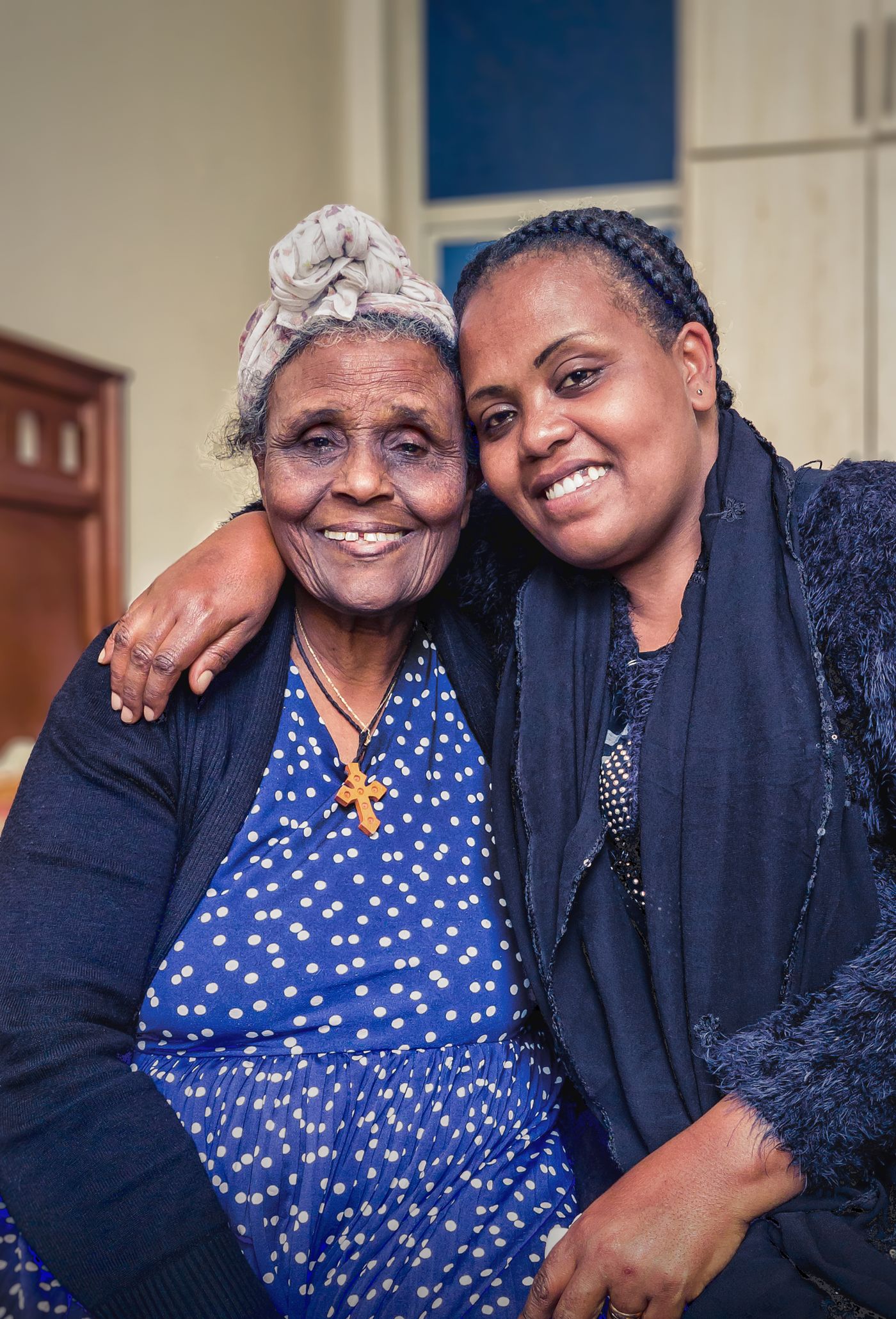

Most portraits of occupational therapy in Malawi are taken in institutions: the rehabilitation ward, the clinic, the assessment room. Useful places, all of them — but the profession's daily life stretches far beyond, along the roads that carry patients home.
This season of field notes gathers observations from members practising across that distance. They are offered in the spirit of the association's newsletter tradition: honest sharing, practitioner to practitioner.
The therapy plan that cannot survive the bus journey home is not a therapy plan. It is a wish.
Where the work happens
At Kachere Rehabilitation Centre, occupational therapists work with patients recovering from spinal injuries and orthopaedic conditions — rebuilding not just movement but a life's worth of daily routines, from dressing to earning. At Sandi Rehabilitation, Assessment & Therapy Centre, children and adults receive assessment and therapy that for many families is the first professional recognition of a difficulty they have carried for years.
Beyond the city walls, Motivation Malawi's wheelchair and assistive technology services meet families in their own communities, and community-based rehabilitation programmes carry therapy into homes, fields and market stalls.
What distance teaches
Therapists who practise across both settings describe a discipline shift. In the ward, the environment can be engineered around the patient. In the village, the plan must be engineered around the environment — the cooking fire, the maize plot, the long walk to water.
That inversion is not a lesser form of occupational therapy. Members argue it is the discipline's purest expression: a profession defined by what people need and want to do, meeting people where they actually live.
Share yours
Field notes are collected for the association's newsletter and, with permission, for this journal. If you are practising — clinical, community or somewhere unclassifiable — and you have an observation that would help a colleague, write it down and send it. Somebody in a district you have never visited is probably facing the same thing this week.