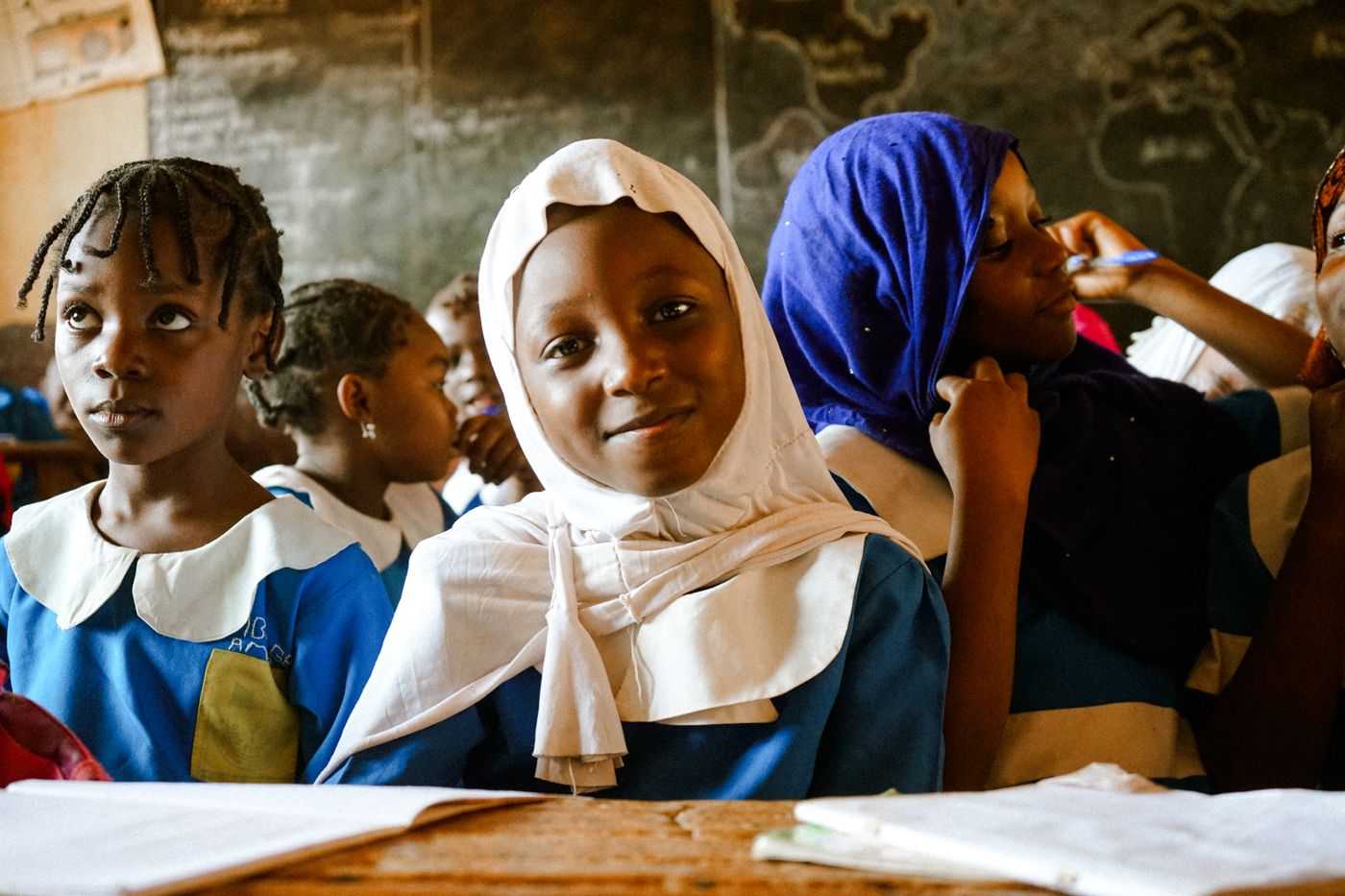
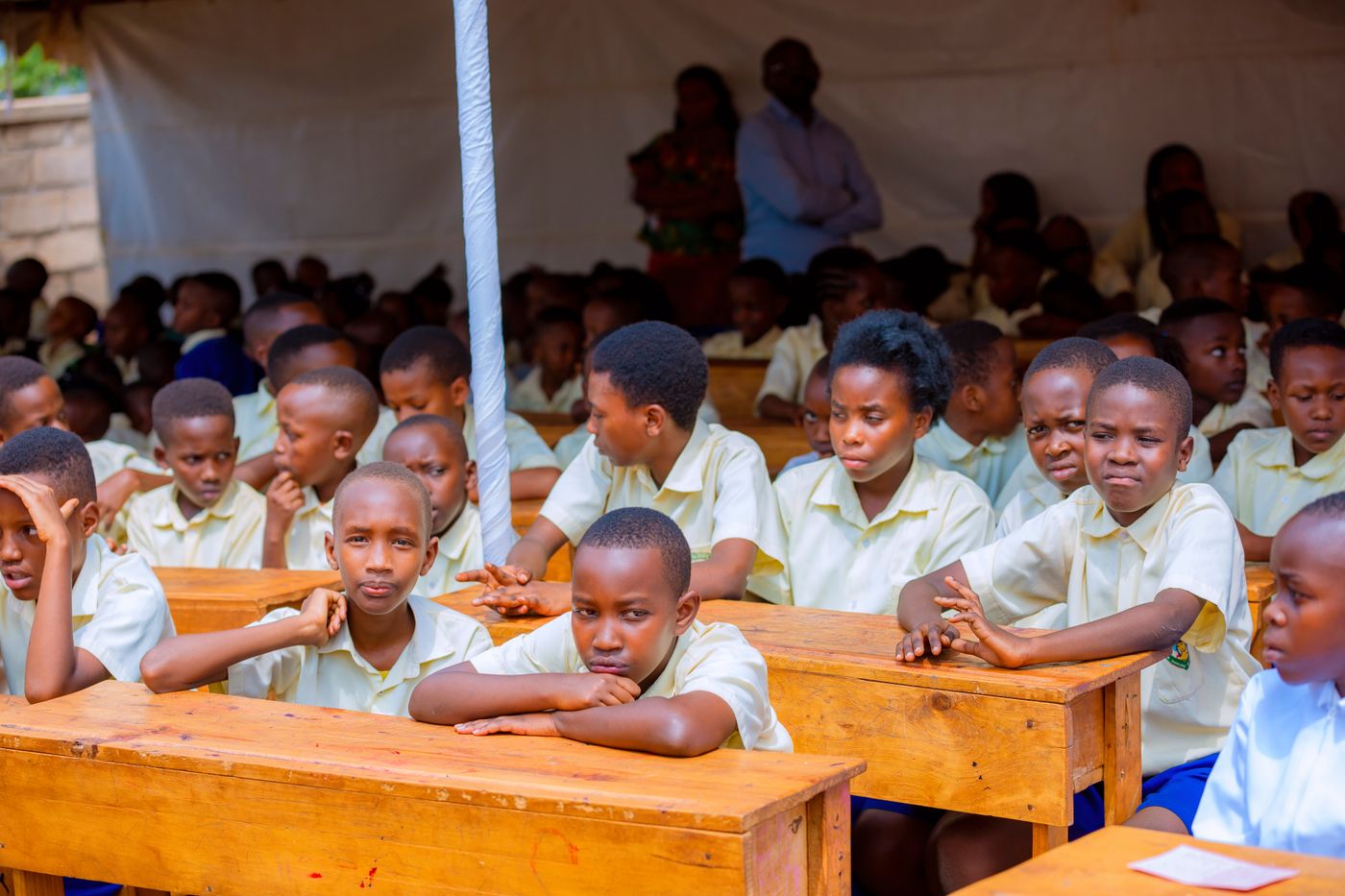
A child's occupation is school. Not only the lessons — the friendships, the games at break, the walk home, the chores afterwards. When disability interrupts any of those occupations, occupational therapy has something to offer, and Malawi's push for inclusive education has put that work in sharper focus than ever.
OTAM's members and partners work with teachers, families and community workers to make inclusion real, not just on enrolment forms but in the daily life of the classroom.
Inclusion is measured at break time, not at enrolment. That is when you see who actually belongs.
What OT brings to a school
Occupational therapists look at classrooms the way they look at any environment: which occupations does it demand, and where does a particular child's ability and the environment's demands fall out of step? The answer is rarely just the child. A desk too high, a routine too rigid, a peer group left unprepared — all are addressable.
In practice this means assessment and direct therapy, yes, but also teacher coaching, low-cost adaptations, peer awareness work and follow-through into the home, where school progress survives or dies.
The technician advantage
Malawi's occupational therapy technicians are the reason school-based work can happen at scale. Trained in the same philosophy of participation and independence, they live in or near the communities they serve and can sustain a presence in schools that a visiting therapist alone never could.
Supporting technicians — through CPD, supervision and a career path towards full professional qualification — is therefore not separate from inclusion work. It is the inclusion work.
Measure what matters
The inclusive schools agenda asks every partner the same hard question: what has changed for the child? Not in scores alone — in attendance, friendships, participation in school life and confidence at home. OTAM encourages its members working in schools to document and share those outcomes, so that the next school, and the next district, starts from evidence rather than enthusiasm.